
Article · British Village
Litter box for British Shorthair: size, litter type and cleaning
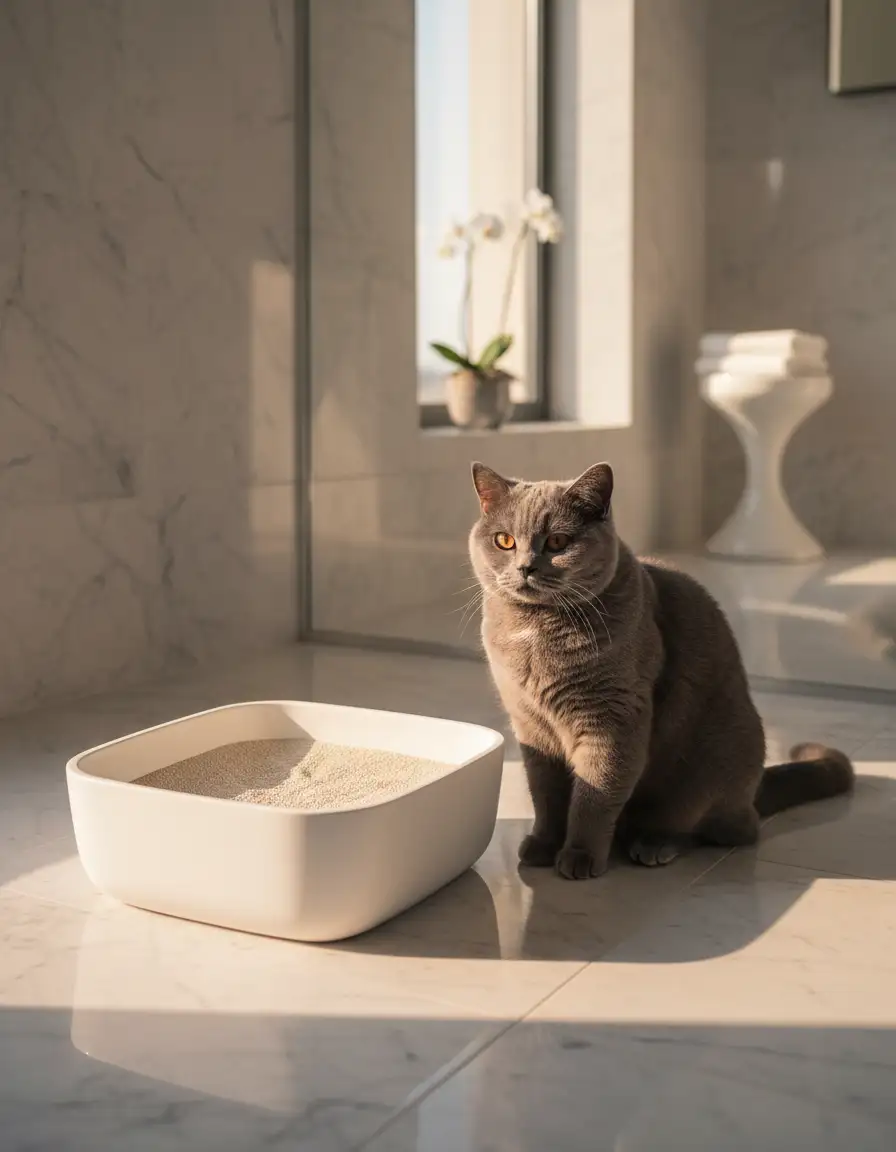
Litter Box and Hygiene: The Essential Guide for Your British Shorthair
Anyone who lives with a British Shorthair knows they are the definition of elegance and cleanliness. As extremely tidy cats, their relationship with the litter box is one of the most important aspects of their daily routine.
A neglected litter box isn't just an olfactory nuisance for us; for the cat, it can be a source of stress and even lead to health issues. In this article, we will share what we have learned about the best substrates and the ideal cleaning routine to keep your British happy and healthy.
⸻
🐱 Why is hygiene so critical for the British Shorthair?
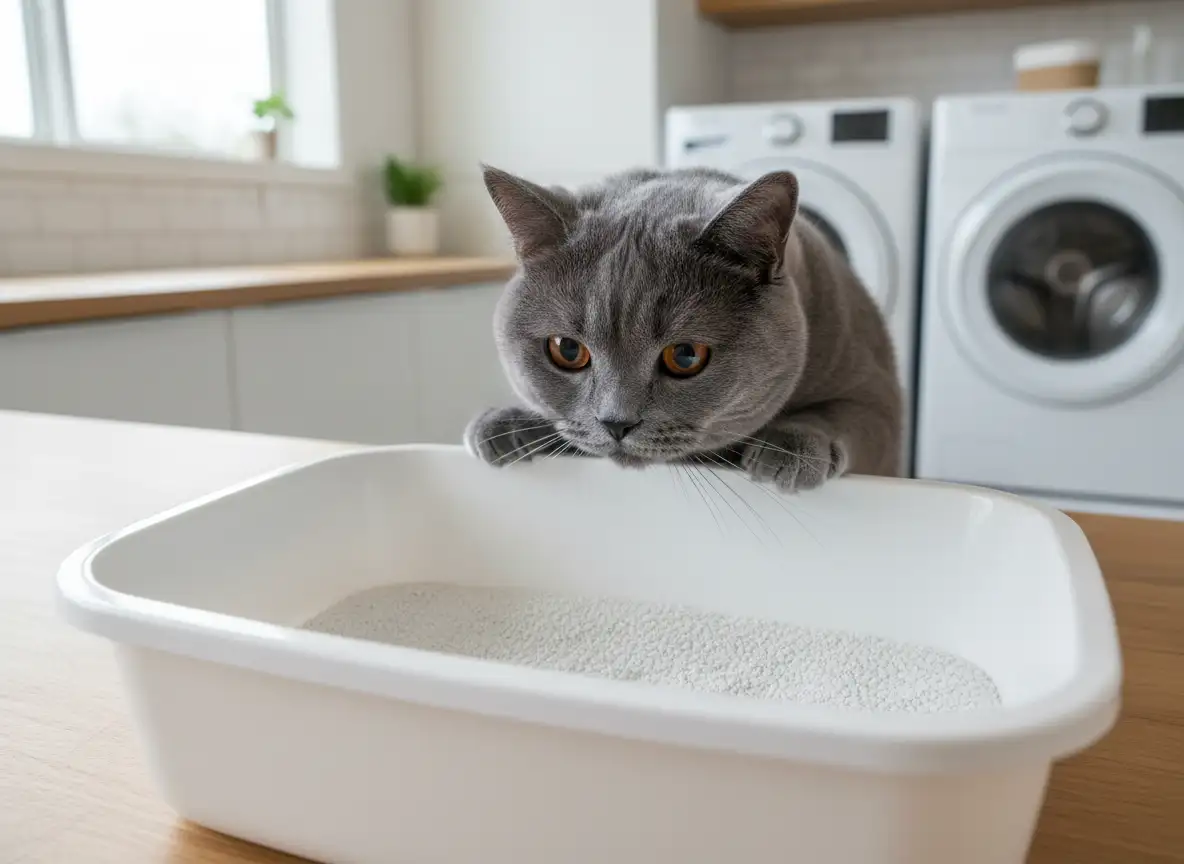
The British Shorthair has a very keen sense of smell and a methodical nature. If the box doesn't meet their cleanliness standards, they might begin to hold their urine longer than is healthy or seek out inappropriate places to relieve themselves.
Furthermore, as cats with dense coats, a dirty box increases the chances of residue sticking to their paws and fur, compromising the hygiene they prize so much.
⸻
🏜️ Choosing the ideal substrate: What do we recommend?
We have tested various types of materials over the years. Our practical experience has shown us that not everything the market offers is comfortable for the breed.
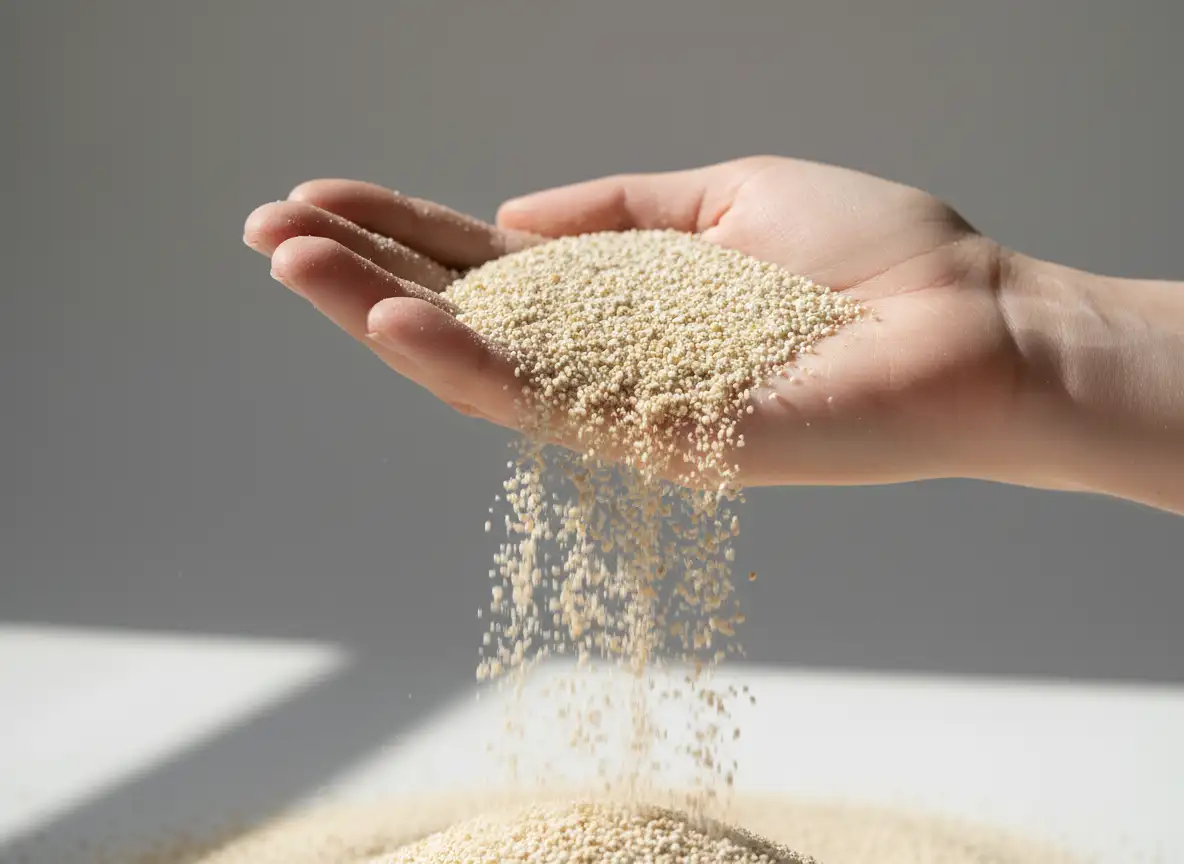
Our recommendation: Clay-based substrates Prioritize fine-grained clay-based substrates. Based on our experience, these are the best substrates for daily management. They adapt best to the routine, form firm clumps, and facilitate digging—an activity that British cats love to do calmly.
What to avoid (and why): We recommend avoiding:
- Wood Pellets: Many cats do not adapt to the hard texture and the strong smell of wood when damp.
- Silica: It can be uncomfortable to step on and often fails to absorb odors as efficiently as clay-based substrates.
- Stones/Coarse Gravel: These can hurt the paw pads and make deep cleaning difficult.
⸻
🧽 The perfect cleaning routine
To ensure the environment remains impeccable, we divide the cleaning into two stages:
1. Daily Maintenance
Remove clumps and waste at least twice a day. This prevents odor buildup and ensures the cat always finds a clean space for its next use.
2. Weekly Deep Clean (The "Golden Tip")
At least once a week, the cleaning should be thorough:
- Empty the box completely.
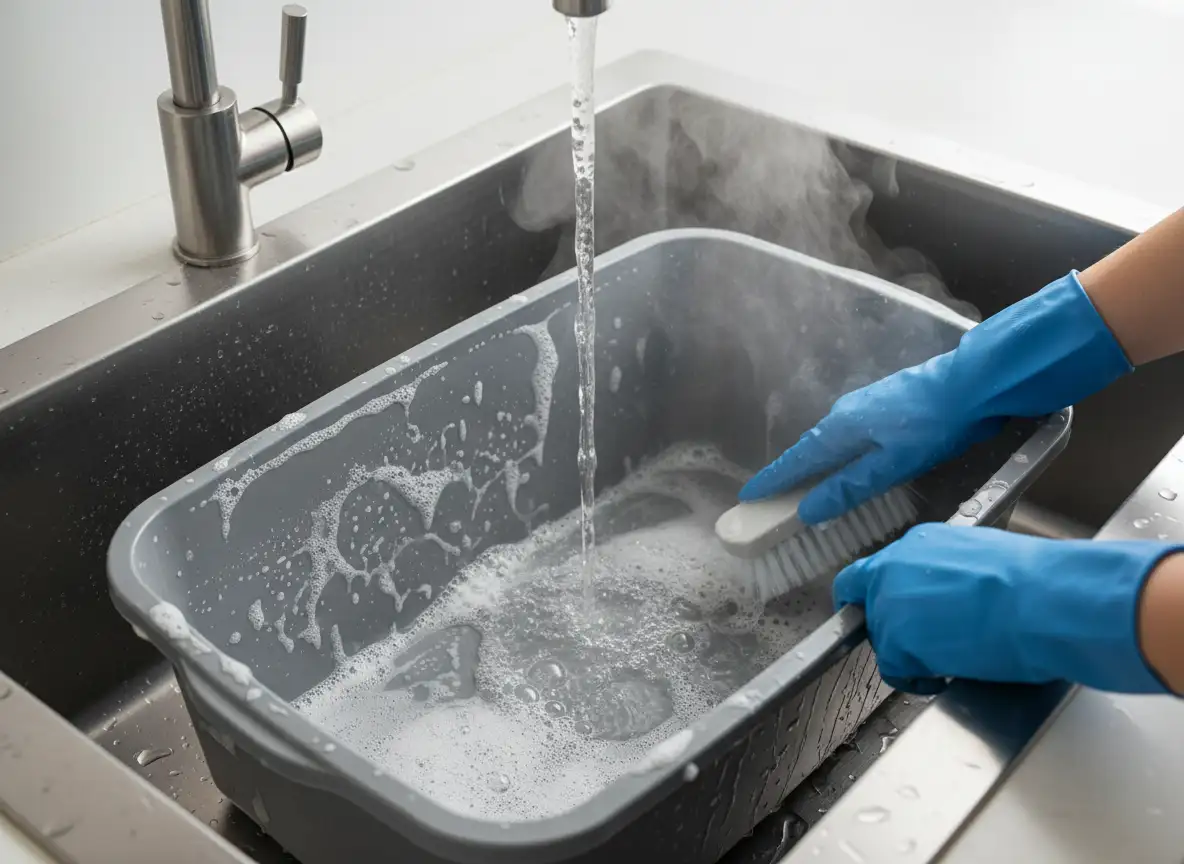
- Wash the container with hot water and neutral detergent.
- Note: Avoid products with strong scents (such as citrus disinfectants), as the residual smell can repel the cat.
- Dry thoroughly before adding new clay substrate.
Hot water helps to sterilize the plastic and remove bacteria that common soap might not reach, ensuring a truly safe environment.
⸻
💡 Extra tips for British owners
- Size matters: The British Shorthair is a robust cat. Ensure the box is large enough for them to turn around completely without difficulty.
- Location: Keep the box in a quiet but easily accessible spot. Never place the litter near their food and water bowls.
- Number of boxes: The golden rule is: number of cats + 1. If you have one British, the ideal is to have two boxes available.
⸻
✍️ Conclusion
Keeping the litter box clean is an act of love and respect for your British Shorthair's nature. By choosing the correct substrate and maintaining a rigorous hygiene routine, you prevent urinary diseases, reduce the animal's stress, and keep your home always fresh.
Remember: a cat that feels safe and comfortable in its bathroom is a much more balanced and happy cat.
⸻
About British Village
This content was produced based on our practical experience as specialized British Shorthair breeders. We are British Village, a cattery dedicated to excellence, love for the breed, and the well-being of our kittens.